MaroScan Visit
  • Rabat The Imperial Capital
  • Fès Spiritual Heart of Morocco
  • Marrakech The Red City
  • Casablanca Morocco's Modern Jewel
  • Meknès The Versailles of Morocco
  • Tangier Gateway to Africa
  • Essaouira Wind City of the Atlantic
  • Chefchaouen The Blue Pearl
Welcome to Morocco

Rabat Where Tradition Meets Elegance

Discover Morocco's elegant capital — a UNESCO World Heritage city where ancient medinas meet modern boulevards, and history whispers through every archway.

Scroll
Historical Heritage

Discover Rabat's Monuments

Explore UNESCO World Heritage sites spanning two millennia of history

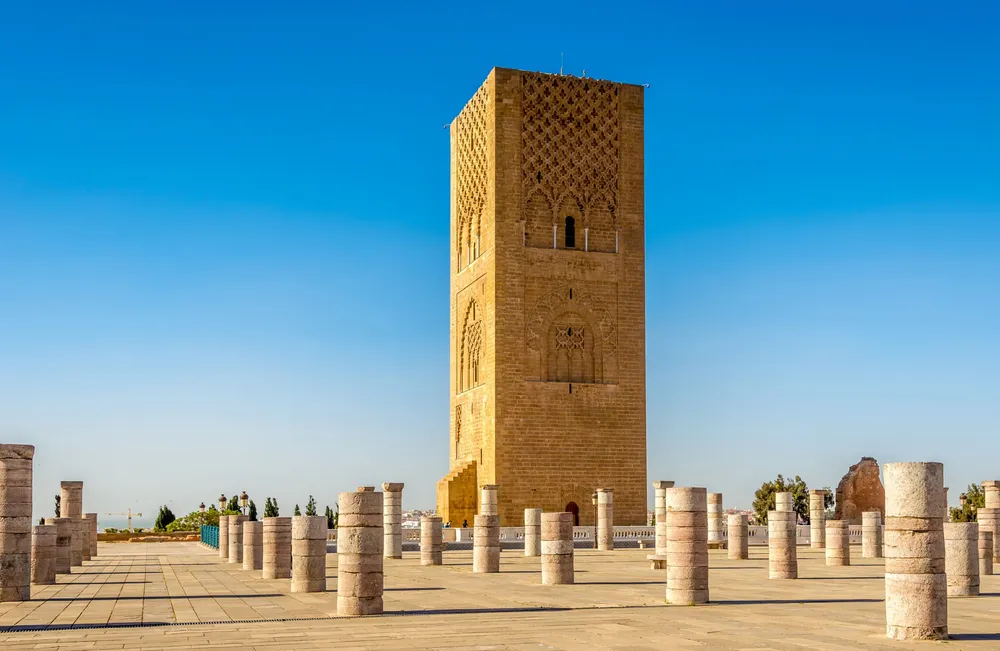
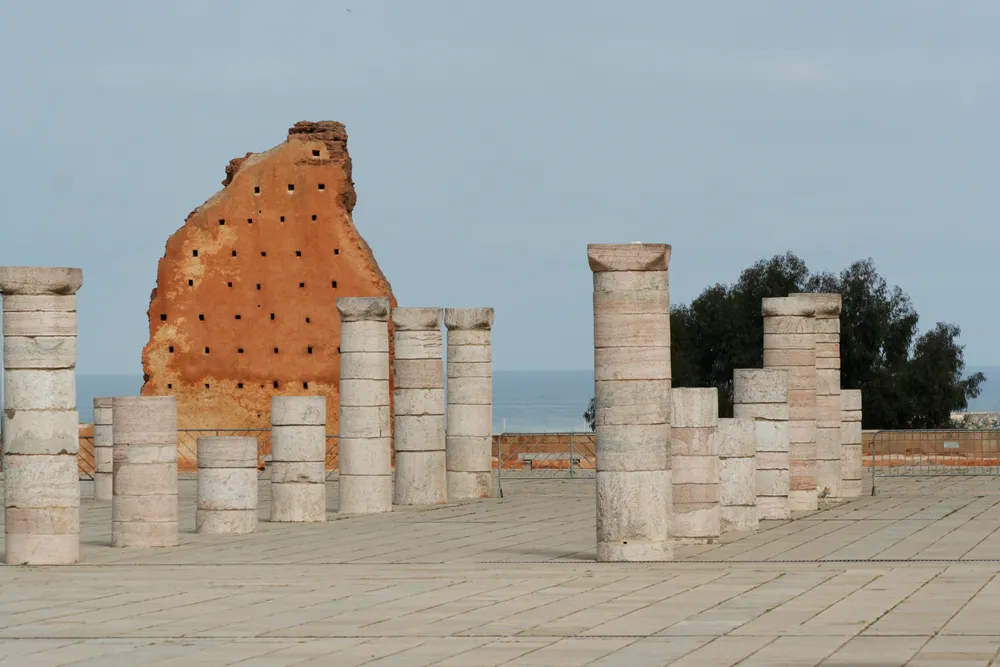
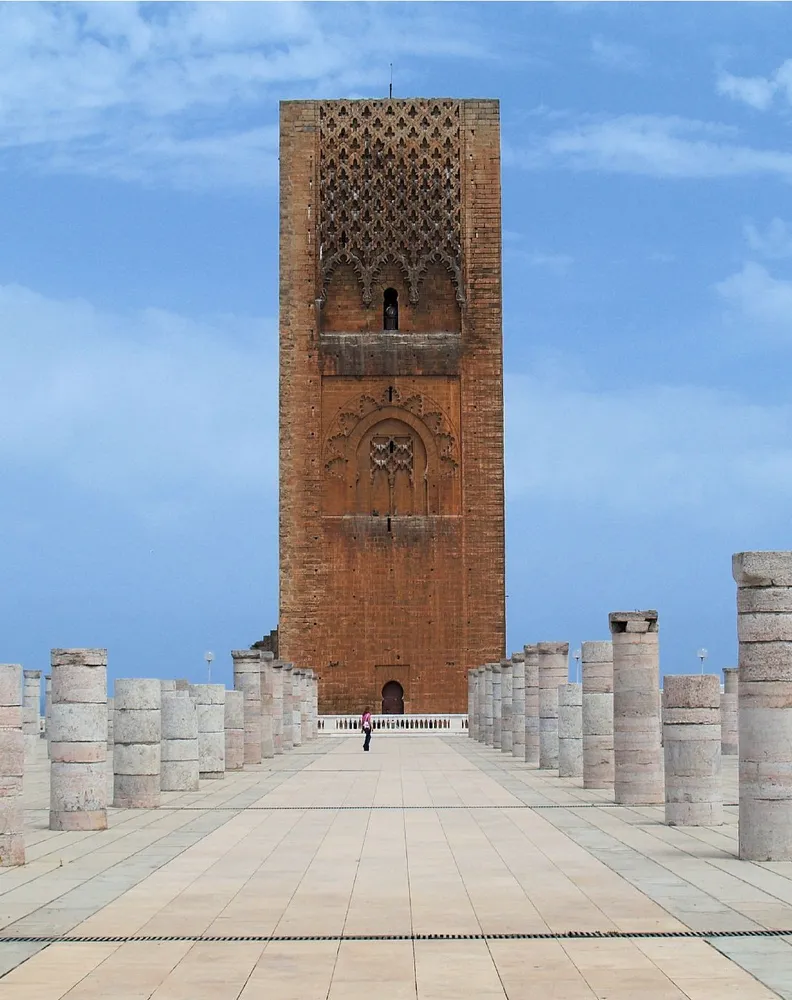
Hassan Tower, the unfinished Almohad minaret in Rabat Hassan Tower with the rows of stone columns of the unfinished mosque The walls and Hassan Tower of the Almohad mosque complex, Rabat
1195 AD • Almohad Dynasty

Hassan Tower

The majestic minaret of an incomplete mosque, standing 44m high. A masterpiece of Almohad architecture Commissioned by Yaqub al-Mansur.

UNESCO Heritage Landmark
1195 AD • Almohad Dynasty

Hassan Tower

صومعة حسان

Hassan Tower, the unfinished Almohad minaret in Rabat Hassan Tower with the rows of stone columns of the unfinished mosque The walls and Hassan Tower of the Almohad mosque complex, Rabat

Hassan Tower, also known as Tour Hassan, is one of the most important landmarks in Rabat. It is the minaret of an unfinished mosque commissioned in 1195 by Abu Yusuf Yaqub al-Mansur, the third Caliph of the Almohad Caliphate. The tower was intended to become the largest minaret in the world, part of a mosque planned to be among the largest ever built. Standing on the high southern bank of the Bou Regreg River and built from reddish sandstone, it now forms part of a major historical complex alongside the unfinished mosque and the Mausoleum of Mohammed V.

The Vision of Yaqub al-Mansur

Yaqub al-Mansur ruled the Almohad Caliphate, a Berber Muslim empire that extended across the Maghreb and Iberia. In the 12th century he launched an ambitious project in Rabat, intending to build a monumental mosque that would reflect the power, faith, and grandeur of his rule.

Some accounts suggest the tower was designed by the astronomer and mathematician Jabir ibn Aflah, who is also said to have designed the Giralda of Seville. Hassan Tower, the Giralda, and the Koutoubia Mosque in Marrakesh are often described as "three sister towers," all modelled on the Koutoubia minaret and influenced by the ancient Lighthouse of Alexandria.

An Ambitious Mosque Left Unfinished

The mosque was planned on a monumental scale — among the largest in the world, built on a rectangular site of about 190 by 140 metres, larger than the Great Mosque of Córdoba. The prayer hall was planned to contain 21 naves separated by rows of columns.

When Yaqub al-Mansur died in 1199, construction stopped and was never resumed on the same scale. The tower reached only about 44 to 45 metres — roughly half its intended height of around 80 metres or more. Only the beginnings of several walls and 348 columns were completed, and these still stand today, giving visitors a sense of the original project's scale.

Architecture of Hassan Tower

Hassan Tower is a square tower of reddish sandstone, its exterior decorated with sebka patterns, engaged columns, and carved capitals. Each side features blind lobed arches, and a pattern of lozenges near the top mirrors that of the Giralda in Seville.

Unlike many towers that use stairs, Hassan Tower was designed with ramps, which would have allowed the muezzin to ride a horse to the top to deliver the call to prayer. Inside are six floors connected by a continuous ramp, each with a vaulted chamber lit by horseshoe-shaped windows.

Height 44 meters
Intended Height 80 meters
Built 1191-1199
Columns Remaining 348
Commissioned By Yaqub al-Mansur
Entry Fee Free

A Mosque, a Fortress, and a Symbol of Power

Placed on the high southern bank of the Bou Regreg, the mosque had a commanding presence visible from far away. As the surrounding area was thinly populated, historians believe it may have served a double purpose — both a place of worship and a fortress — and that al-Mansur intended to make Rabat his new imperial capital, rivalling the Mosque of Córdoba.

Damage and Survival

In 1755, the Lisbon earthquake damaged the unfinished mosque and destroyed much of what had been built. Despite this, the tower and the remains of the mosque survived, preserving the memory of Yaqub al-Mansur's grand vision. Today the site brings together the tower, the mosque's walls and columns, and the nearby Mausoleum of Mohammed V.

Connection to Moroccan Independence

After Morocco gained independence in 1955, King Mohammed V led the first Friday prayers from this symbolic location, connecting the monument to Morocco's modern history. The adjacent Mausoleum of Mohammed V strengthens the site's role as a place of memory, sovereignty, and national identity.

World Heritage Status

The Hassan Tower site was added to UNESCO's World Heritage Tentative List on 1 July 1995 and granted World Heritage status in 2012 as part of Rabat's historic and cultural heritage.

Visiting Hassan Tower Today

Hassan Tower remains one of Rabat's most visited landmarks. Although the interior was closed to the public after architects noticed signs of deterioration, the site remains powerful and sacred. Daily calls to prayer are still held there, and the monument continues to stand as a symbol of vision, faith, power, and memory — its incomplete form telling the story of a monumental dream interrupted by history.
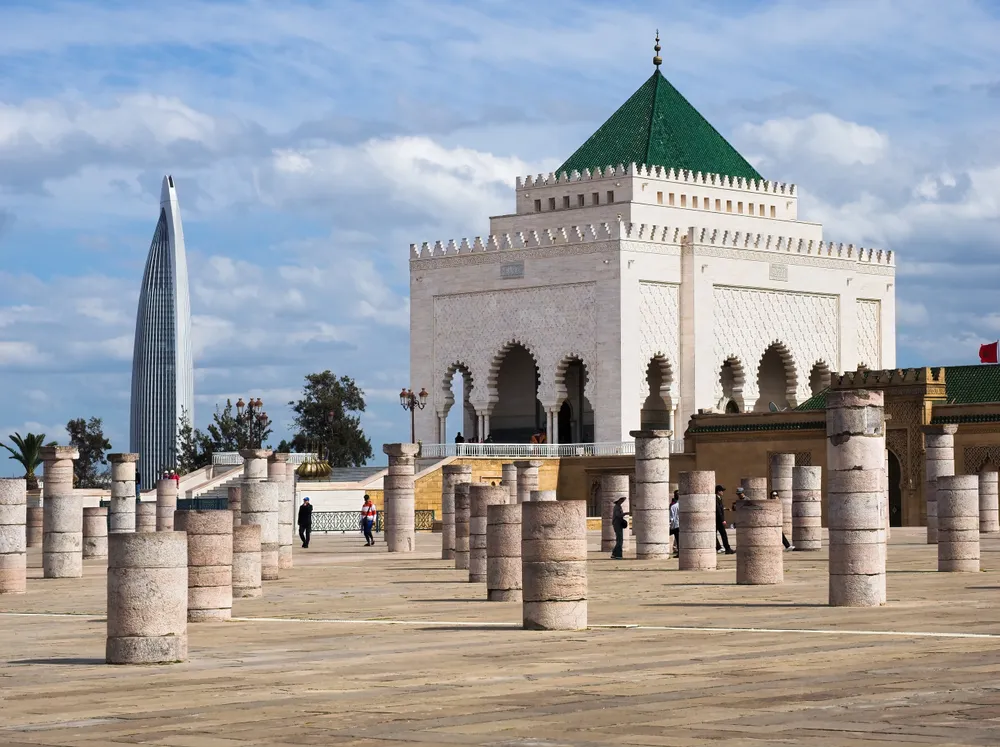
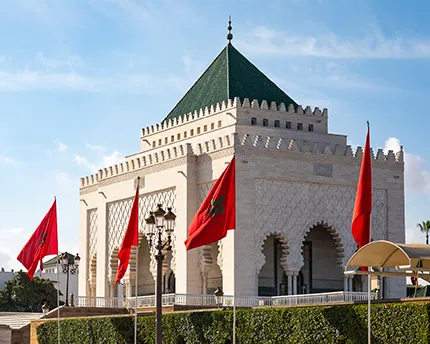
Mausoleum of Mohammed V beside the Hassan Tower and the new Mohammed VI Tower, Rabat The white marble facade of the Mausoleum of Mohammed V, Rabat
1971 • Alaouite Dynasty

Mohammed V Mausoleum

A masterpiece of modern Alaouite dynasty architecture, housing the tombs of the late King Mohammed V and his two sons.

Royal Tombs Islamic Art
1971 • Alaouite Dynasty

Mohammed V Mausoleum

ضريح محمد الخامس

The Mausoleum of Mohammed V: A Legacy of Reverence, Artistry, and Moroccan Heritage

Mausoleum of Mohammed V beside the Hassan Tower and the new Mohammed VI Tower, Rabat The white marble facade of the Mausoleum of Mohammed V, Rabat

Mausoleums have long served as monuments of remembrance and reverence for lives that have passed. More than simple final resting places, they stand as lasting symbols of heritage, respect, and memory. Among them, the Mausoleum of Mohammed V stands out for its breathtaking artistry and deep cultural significance, reflecting the profound respect reserved for its namesake.

A Brief Overview

Located in Yacoub Al Mansour Square, across from the Hassan Tower, the Mausoleum of Mohammed V was commissioned by King Hassan II as a tribute to his father, King Mohammed V, who played an instrumental role in Morocco's independence from France.

Construction began shortly after the death of the late monarch in 1962 and was completed in 1971. Designed by the Vietnamese architect Vo Toan, it is a masterpiece that combines traditional Moroccan and modernist architecture. Its ornate exterior features a white facade of Italian Carrara marble and a green-tiled roof symbolizing Islam, and it remains a focal point for events of national significance.

What You'll Find Inside

The interior is open to all who wish to pay their respects or simply admire its beauty. It offers a breathtaking journey through carefully crafted artistry that captures the essence of Moroccan craftsmanship — from intricate mosaics to soaring architectural features.

A Wondrous Vault

The vault of Mohammed V is an architectural marvel suspended high above the tomb, its ceiling decorated with an intricate golden motif. Made with sculpted mahogany, Atlas cedar, and stained glass, it allows a soft, diffused light to spread across the space, while flags line the perimeter to express the patriotic spirit of the memorial.

Sarcophagus of King Mohammed V

At the heart of the mausoleum lies Mohammed V's sarcophagus, exquisitely crafted from white onyx and positioned directly beneath the vault as the central and sacred element of the memorial. The material, chosen for both its beauty and durability, represents purity and eternity, reflecting his revered status as the father of modern Morocco.

Two Accompanying Coffins

The mausoleum is not the resting place of Mohammed V alone. The coffins of his two sons — his successor King Hassan II and the late Prince Abdallah — flank his sarcophagus. Slightly less ornate but equally dignified, they are made from the same white onyx, creating a visual harmony that connects the three royal figures even in rest.

Beautifully Decorated Walls

The walls are richly decorated with colored traditional Moroccan terracotta tiles known as zellige, featuring geometric patterns and Qur'anic calligraphy that reflect cultural heritage and religious devotion. Their colors and designs create a peaceful atmosphere that complements the solemnity of the space.

Guards and Imam

Royal guards dressed in traditional Moroccan uniforms watch over the site continuously, protecting the space while demonstrating reverence for the royal figures interred inside. An Imam also remains present, reciting verses from the Qur'an around the clock — a continuous recitation symbolizing the perpetual blessings sought for their souls.

Built 1962–1971
Architect Vo Toan
Location Yacoub Al Mansour Sq.
Material Carrara Marble
Non-Muslims Welcome
Entry Fee Free

Commemorating Legacies with Reverence

The Mausoleum of Mohammed V brings together stunning artistry, profound spirituality, and a deeper understanding of the power of legacy. It reminds us of the timeless reverence that can be given to those who shaped the past, ensuring their contributions are honored and remembered for generations.

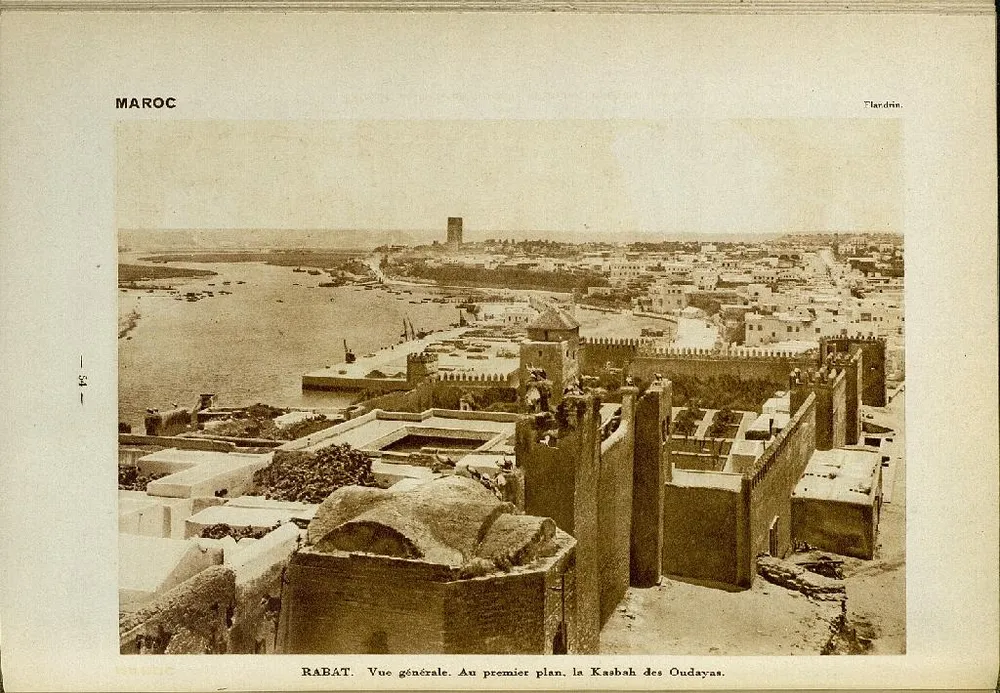
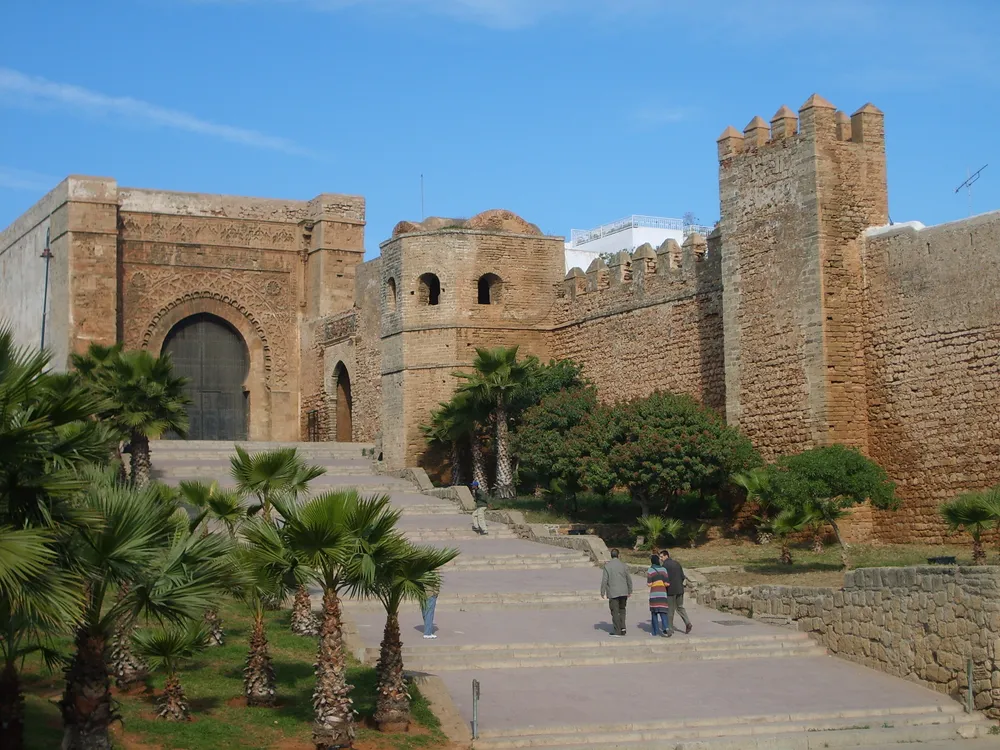
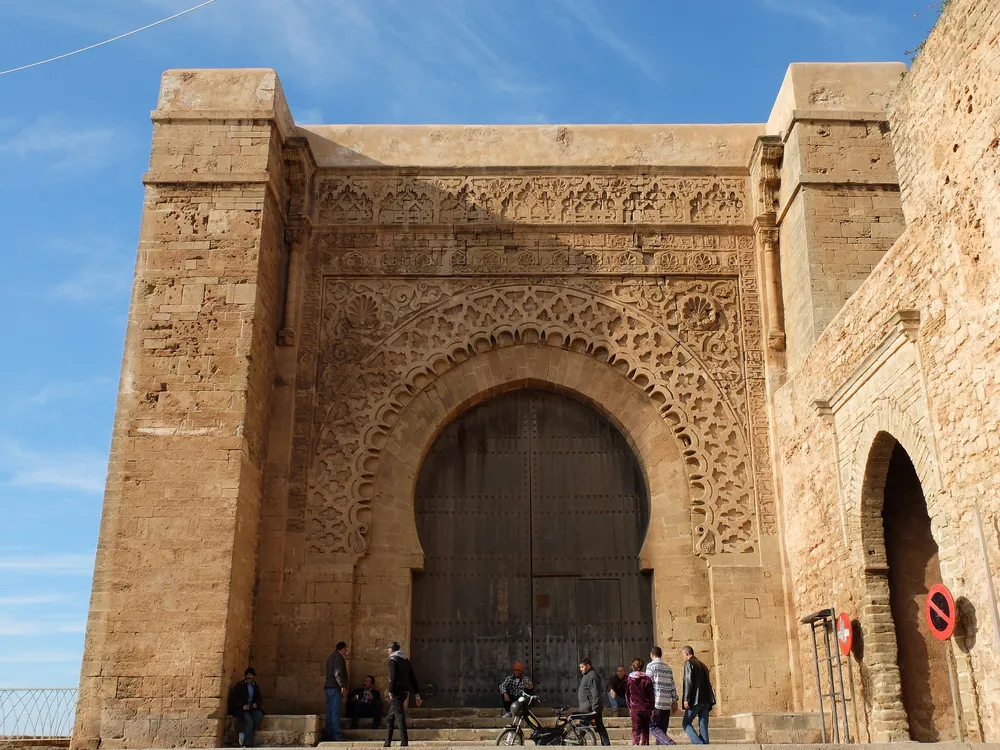
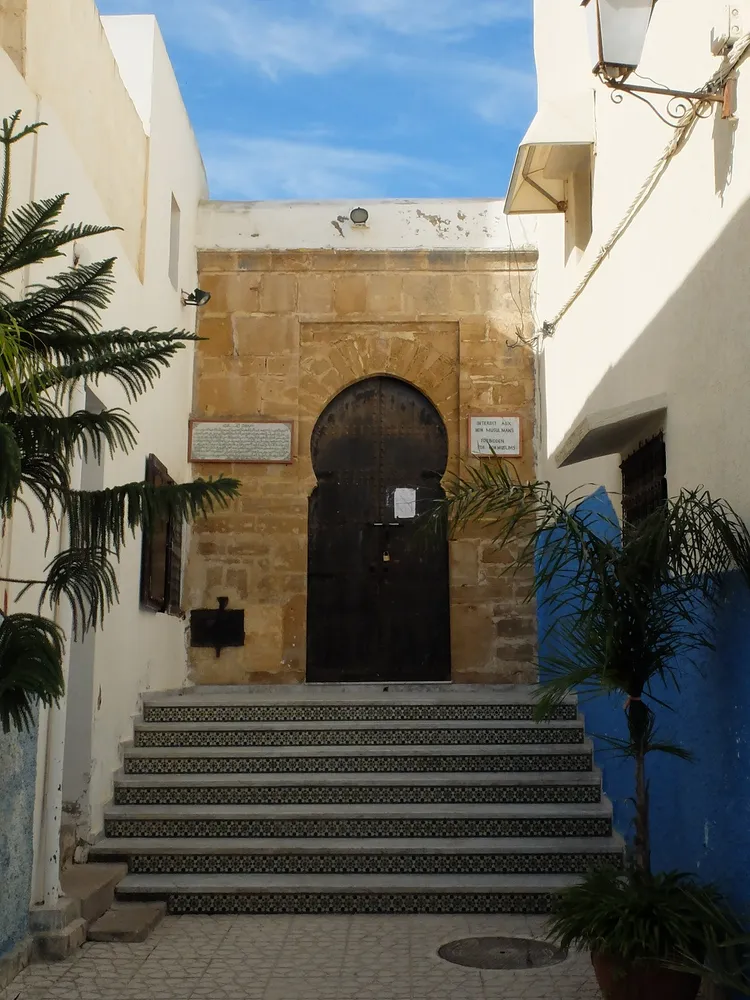
Kasbah of the Oudaias overlooking the Bou Regreg river, Rabat Exterior walls of the Kasbah of the Oudaias, Rabat Bab Oudaia, the monumental Almohad gate of the Kasbah Decorated doorway of the Oudayas mosque inside the Kasbah
12th Century • Almohad

Kasbah of the Udayas

A city within a city, this fortress with its blue and white streets offers breathtaking ocean views and the peaceful Andalusian Gardens.

UNESCO Heritage Andalusian Garden
12th Century • Almohad

Kasbah of the Udayas

قصبة الوداية

Kasbah of the Oudaias overlooking the Bou Regreg river, Rabat Exterior walls of the Kasbah of the Oudaias, Rabat Bab Oudaia, the monumental Almohad gate of the Kasbah Decorated doorway of the Oudayas mosque inside the Kasbah

Among Rabat's many treasures, one of the most essential historical sites is the Oudayas Kasbah — a fortified citadel dating back to the Almohad period in the 12th century. Recognised as part of a UNESCO World Heritage Site in 2012, it is more than a monument: a small walled village with a Mediterranean character, where the memory of ancient North African empires, Saharan tribes, and Moors expelled from al-Andalus still echoes through its narrow streets.

More Than a Thousand Years of History

The history of the Oudayas Kasbah is closely tied to the mouth of the Bou Regreg River. After the Romanisation of the area and the abandonment of the city of Sala (now the necropolis of Chellah), Berber and Almoravid rulers established a fort, or ribat, on the cliffs overlooking the point where the river meets the Atlantic. It was under Almohad rule, at the end of the 12th century, that the Kasbah began to take the form recognised today.

Its clearest early testimony is the monumental gate of Bab El Kebir, also known as Bab Oudayas, marked by its large pointed horseshoe arch and intricate geometric decoration. After the expulsion of the Moors from Spain in 1609, the Kasbah acquired the strongly Andalusian character still visible today; from 1626 to 1668, Rabat and neighbouring Salé formed an independent republic of Moorish corsairs, with the Kasbah as one of its main centres of power.

In the second half of the 18th century, the Alawite dynasty made the most extensive modifications in the citadel's history, including the Royal Residence, the Jamaa el Atiq Mosque, and the Sqala Tower. In the early 19th century, a conflict between Morocco's ruling house and the Oudaya tribe — Arabs from the Sahara — ended with the tribe settling in the old citadel, giving the Kasbah the name it bears today.

Founded 10th Century
Rebuilt 1150-1151
Bab Oudaia 1195-1199
Gardens Added 1915-1918
Corsair Era 1626-1668
Entry Fee Free

Rabat's Blue Quarter

With its narrow alleyways, labyrinth-like streets, and houses painted in blue and white, the Oudayas Kasbah is one of the most atmospheric places in Rabat. These colours, inherited from Andalusian influence, give the area its distinctive charm and its informal name — Rabat's blue quarter. Pots of plants and flowers, fountains, decorated doors, old arches, and balconies overlooking the sea all add to its beauty.

Its essential landmarks include the Bab El Kebir gate, the Alawite palace, the mosques, the Sqala Tower, and the famous Café Maure, a popular spot for mint tea overlooking the river. The National Museum of Jewellery and Adornment, housed in the 17th-century palace of Moulay Ismail, displays ceramics, brassware, jewellery, traditional dresses, and archaeological objects.

The Andalusian Gardens

Within the kasbah lie the Andalusian Gardens, a true oasis inside the city. Although added during the French Protectorate in the early 20th century, they have become one of Rabat's most popular green spaces, recalling — though on a smaller scale — the atmosphere of the Alhambra gardens in Granada or the Alcázar in Seville. Today the Oudayas Kasbah stands as a living reminder of the many layers of history that shaped Morocco's capital.

Roman & Marinid Era

Chellah Necropolis

An ancient Roman port city later transformed into a royal necropolis. Home to storks, ruins, and the annual Jazz au Chellah festival.

Ancient Ruins Nature Reserve
Roman & Marinid Era

Chellah Necropolis

شالة

Two Millennia of History

Phoenician traders established a settlement here in the 7th century BCE. It is one of North Africa's oldest continuously significant sites.

Roman Sala Colonia

The Romans transformed it into Sala Colonia around 40 CE, building a forum, temple, and port. The city prospered for centuries as a trading post.

Marinid Necropolis

The Marinid dynasty built a royal necropolis here in the 14th century, adding walls, a gate, a mosque, and royal tombs.

The Sacred Pool

The sacred pool is associated with fertility rituals. Hundreds of storks nest in the ruins, making the site uniquely atmospheric.

Phoenician Era 7th-6th c. BCE
Roman Era 40 CE - 5th c.
Marinid Era 1284-1358
Gate Built 1339
Earthquake 1755
Entry Fee 70 MAD
1197 • Almohad Dynasty

Bab Rouah

"Gate of the Winds" — the most magnificent gate in Rabat's walls. Its stone carvings are a testament to Almohad artistry.

City Gate Art Gallery
1197 • Almohad Dynasty

Bab Rouah

باب الرواح

Gate of the Winds

Completed in 1197, Bab Rouah is the largest of Rabat's Almohad gates. The name refers to the Atlantic breezes that sweep through it.

Military Architecture

Its interior passage makes four 90-degree turns — a 'chicane' design that forced attackers to lose momentum, making the gate nearly impregnable.

Decorative Excellence

The stone decoration features polylobed arches, floral motifs, and Kufic inscriptions, rivaling any Almohad monument.

Modern Adaptive Reuse

Today, the gate serves as a contemporary art gallery. The juxtaposition of modern art within 800-year-old walls is unique.

Built 1197
Builder Ya'qub al-Mansur
Chambers 4
Current Use Art Gallery
Gallery Hours 10am-6pm
Entry Fee Free
12th Century • Almohad

Almohad Walls

Stretching over 5km, these ochre walls define the city's character. Built to protect the imperial capital, they still stand strong today.

UNESCO Heritage Fortification
12th Century • Almohad

Almohad Walls

الأسوار الموحدية

Imperial Vision

Ya'qub al-Mansur's vision for Rabat as a new imperial capital required massive defensive walls, completed in 1197. They enclosed a huge area for a dream city.

Engineering Marvel

The walls stretch 5,236 meters, rising 10 meters high. They feature 74 towers and enclosed 450 hectares.

The Five Gates

Five monumental gates pierce the walls, including Bab Rouah and Bab el-Had. Each features the bent-entrance design.

UNESCO Recognition

UNESCO cites these walls as the only surviving parts of the great Almohad capital project. They remain highly visible today.

Total Length 5,236 meters
Height 8-10 meters
Towers 74
Gates 5
Area Enclosed 450 hectares
Completed 1197
1864 • Alaouite Dynasty

Royal Palace

The official residence of the King. While the interior is private, the grand gates and the surrounding mechouar are a spectacle of royal tradition.

Royal Residence Active Palace
1864 • Alaouite Dynasty

Royal Palace

القصر الملكي

Seat of the Monarchy

Dar al-Makhzen has served as the official residence of Moroccan kings since 1864. King Mohammed VI conducts official business here.

Historic Events

The palace witnessed the birth of Hassan II and the return of Mohammed V from exile. The mechouar hosts Throne Day celebrations.

Palace Complex

The complex includes the Royal College, Mosque, and extensive gardens designed by French landscape architect Forestier.

Built 1864
Builder Mohammed IV
Current Resident Mohammed VI
Gardens By Forestier
Access Exterior Only
Photography Restricted

Visitor Information

The interior is private, but visitors can admire the grand gates and Royal Guard ceremonies in the mechouar.

17th Century • Morisco Refugees

Andalusian Wall

Built between 1609-1614 by Morisco refugees expelled from Spain, this 1,400-meter wall with 26 towers enclosed today's Medina.

Historic Medina
17th Century • Morisco Refugees

Andalusian Wall

السور الأندلسي

The Morisco Exodus

Between 1609 and 1614, Spain expelled the Moriscos. Thousands of refugees settled in Rabat-Salé, bringing skills and capital.

Building a New Home

The refugees constructed this inner wall to create a manageable settlement, defining what became Rabat's medina.

The Corsair Republic

The Andalusians formed the Republic of Bou Regreg (1627-1668), a pirate state. Their maritime expertise brought wealth to the city.

Built 1609-1614
Total Length 1,400 meters
Towers 26
Refugees 5,000-14,000
Origin Spain
Access Public

Cultural Legacy

Andalusian influence shaped Rabat's architecture, cuisine, and music. Walking through the medina today, you traverse the space they carved out.